The Impact of Nut Butters on Heart Health and Cholesterol Levels
There was once a time- when nut butter meant just one thing: good old peanut butter - the sandwich spread we all grew up loving. Fast forward to today, nut butters have mostly hijacked our kitchens. From almond and cashew to hazelnut and even pistachio, there is a jar for every flavor, recipe, and lifestyle.
Nut butters are no longer just for toast - they are in smoothies, energy bites, salad dressings, and even desserts. With so many options and uses, it’s easy to see why nut butters have made it onto many pantry must-have lists.
But all that said, one big question remains: are nut butters good for your heart?
Spoiler alert - yes, they can be. But the details matter.
Why Heart Health Matters (and How Your Diet Can Help)
We often take our hearts for granted, until there is a problem. But, truly, your heart works hard for you each day, beating more than 100,000 times per day and working to keep your body going. And like any engine that works hard, your heart too needs the right kind of fuel to ensure it remains functioning well.
Heart disease continues to be one of the most concerning health issues in the world. High cholesterol, high blood pressure, and blockages in arteries do not just occur overnight, they occur over time, often due to every-day choices from what we put into our mouths.
Here is where your diet comes into play.
Some foods can either benefit or harm your heart silently. The good news is that you do not have to make a complete change to your diet. Little changes - such as using healthier fats, intentionally eating more fiber, and making an effort to minimize processed foods—can make a difference.
That brings us to nut butters! Nut butters are nutrient-dense, creamy spreads that can help support your heart health, if you know what to look for and how to utilize them. Let’s talk about how.
Are Nut Butters Good for Your Heart?
The short answer is yes - nut butters can be good for your heart. But, like most things in the world of nutrition, it depends on the kind of nut butter, and how you are eating it.
Nut butters are made by grinding up whole nuts into a creamy paste, therefore you are taking all the natural goodness of the nuts, healthy fat, protein, fiber, vitamins and minerals, and put them in a smooth, spreadable form.
What makes nut butters especially heart friendly is the high level of unsaturated fats found in nuts. Unsaturated fats are primarily found in the form of monounsaturated and polyunsaturated fats. These are the "good fats" because they help lower your bad cholesterol (LDL) and raise your good cholesterol (HDL), ultimately lowering your risk of heart disease over time.
In addition many nuts, such as almonds and walnuts, contain antioxidants and magnesium as well as other nutrients that help lower inflammation and promote healthy blood vessels.
So, yes; when you hear someone asking, “ Is almond butter healthy?” or “Is peanut butter good for cholesterol?”, the answer is: they can be - especially when made with clean, minimal ingredients and consumed in moderation!
Nut Butter vs. Cholesterol: What You Need to Know
Let's clear the cholesterol confusion:
LDL = "bad" cholesterol (blockages in arteries)
HDL = "good" cholesterol (clears things out your arteries)
Where does nut butter fit in?
Nut butters - especially those made from almonds, peanuts or walnuts - are a source of high unsaturated fats that are found to lower LDL and raise HDL cholesterol. That's a win win for your heart!
You want to steer clear of nut butters that add in harmful ingredients like hydrogenated oils (which have trans fats), too much sugar or too much salt. These ingredients can raise the bad cholesterol and stress your heart.
In fact, research has shown that eating nuts or natural nut butters regularly is associated with a reduced risk of heart disease. Mostly due to the high "good" fat profile that promotes heart-healthy cholesterol.
So, next time your spreading almond or peanut butter on toasted bread, remember: that spoonful may be small but it's doing BIG things for your heart!
Comparing Nut Butters for Heart Health
There is an overwhelming number of options to choose from when it comes to nut butter - like a game of roulette! Here’s a quick recap on how the most common nut butters compare when it comes to heart health.
Almond Butter
Full of monounsaturated fat, vitamin E, and magnesium - all great nutrients for reducing LDL (bad) cholesterol and promoting good blood flow.
Peanut Butter
The OG of nut butters! Great source of healthy fat, niacin, and a little bit of resveratrol.
Great for cholesterol - Just choose natural varieties and those without any added sugars or oils.
Cashew Butter
Creamy and has a mild sweetness, cashew butter is a good source of magnesium, copper, iron, and other good nutrients. Like almond butter, it's lower in fiber, but that does not make it any less heart health friendly when consumed in moderation!
Walnut Butter
Where the magic happens! Full of omega-3 fatty acids, a great nutrient for reducing inflammation, which in turn helps to improve overall heart health. Less common in the nut butters, but absolutely worth the hype!
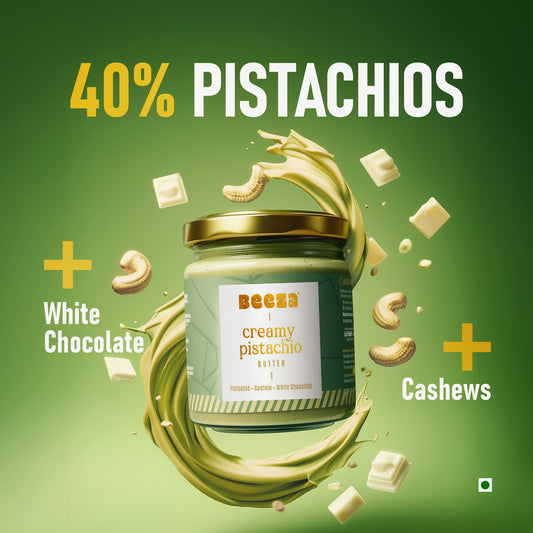
Pistachio Butter
Totally underrated, they're actually very heart smart! Great source of potassium, phytosterols, and antioxidants which can help reduce blood pressure and cholesterol profiles!
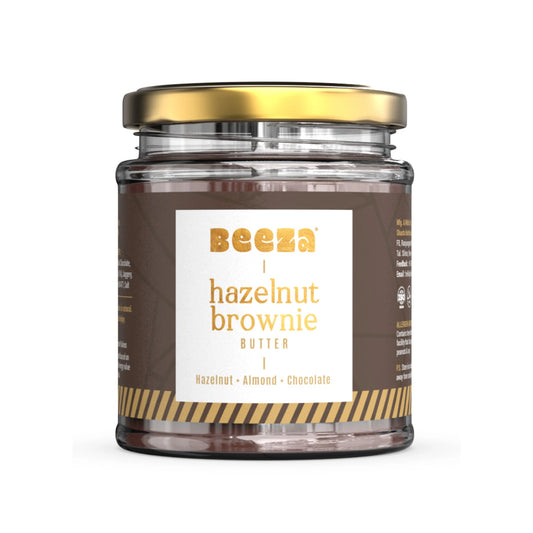
Hazelnut Butter
Often marketed in sweeter forms, as a natural option it can be a good choice for heart health. Also rich in monounsaturated fats and vitamin E, which help reduce oxidative stress on the heart.
Mixed Nut Butters
Get the best of all worlds, blending multiple nuts that love your heart into a single jar – just make sure to check the label to find an option with clean and minimal ingredients.
Pro-tip: Regardless of the nut, always look for no added sugars, trans fats, or junk. Your heart will thank you.
How to Choose a Heart-Healthy Nut Butter
Not all nut butters are made alike - some are loaded with healthy options, while others are sneaky and add in unhealthy stuff. If you're using nut butter and looking for options that are heart healthy - here's what to look out for:
Short ingredient list - the best nut butters should only have one or two ingredients - nuts and maybe a little salt and that's it.
No hydrogenated oils - hydrogenated oils contain trans fats that ultimately can raise bad cholesterol and increase your heart disease risk. If you see "partially hydrogenated" in the label - avoid it.
No added sugars - a delicious sweetened nut butter may taste amazing but will negate the health benefit. We suggest looking for any added sugars or syrups - and just skip them!
High in unsaturated fats - we want butters that have mono or polyunsaturated fats - specifically the kind that helps lower LDL and is heart healthy.
Low in sodium - we all know salt can increase blood pressure, but try and pick or find unsalted or low sodium options.
Bonus tip - if you see the oil on the top is separated, don't worry - that's a sign of natural nut butter with no processing. Just stir it back in!
In short - read the label, keep it simple, and let the nuts do the talking!
Serving Smart: Portion Sizes & Tips
Nut butters are a nutrient-dense treat, but they are dense in calories, so portion control is key! Aim for 1-2 Tablespoons a day to get the benefits without overdoing it!
Pro tip: do not eat nut butter straight from the jar - it's way too easy to lose track!
There are a few great ways to enjoy nut butters. You could:
Spread on whole grain toast or crackers
Add to oatmeal or smoothies
Use apple slices or celery sticks for a heart-healthy snack, the nut butter will provide some protein and healthy fat to balance out the carb components of the fruit and/or veggie
Balance is important for everything. Enjoy your nut butters, but do so in a measured and thoughtful way, and your heart will thank you.
Customer Favorites: Heart-Loving Nut Butters from Beeza
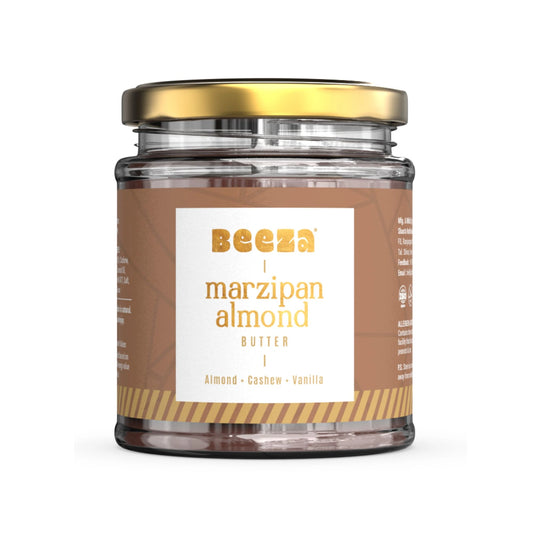
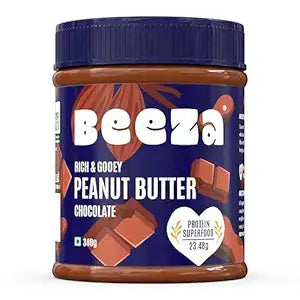
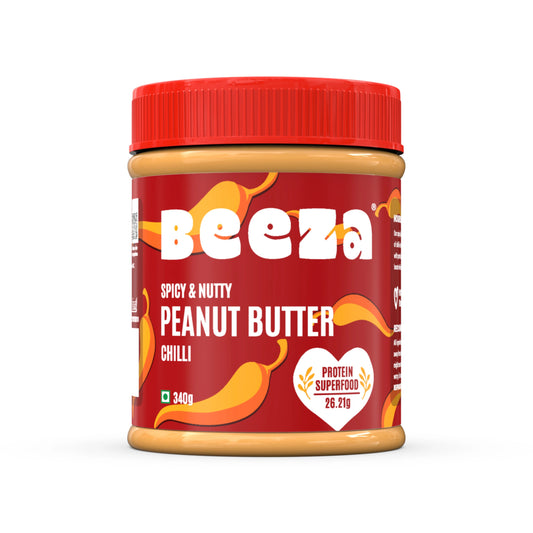
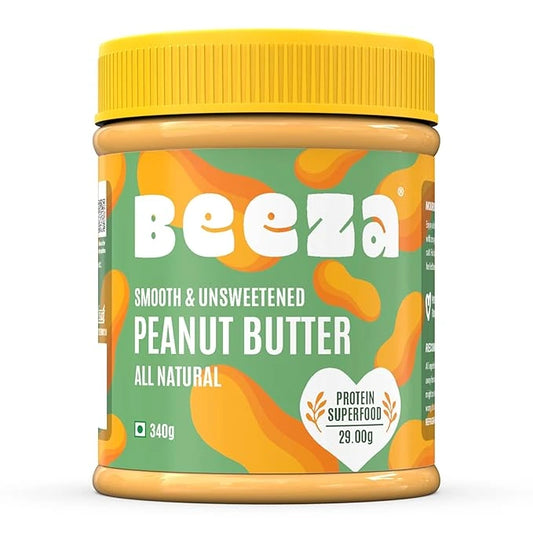
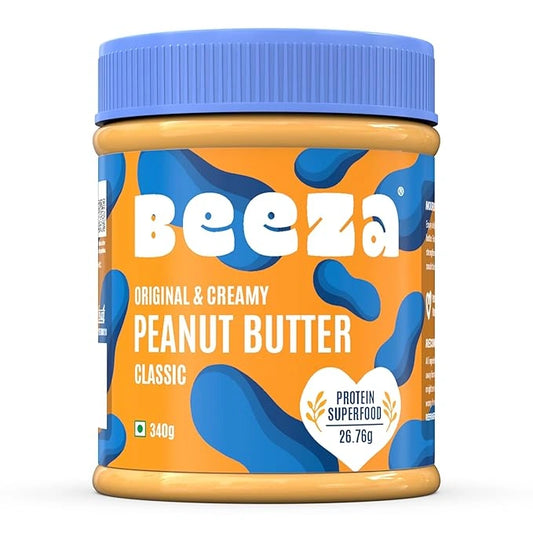
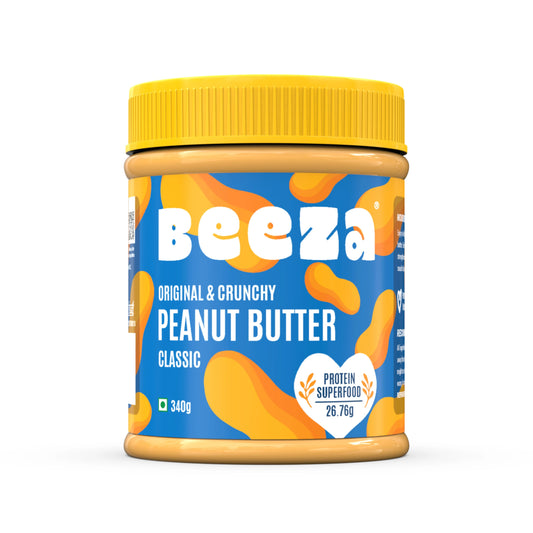
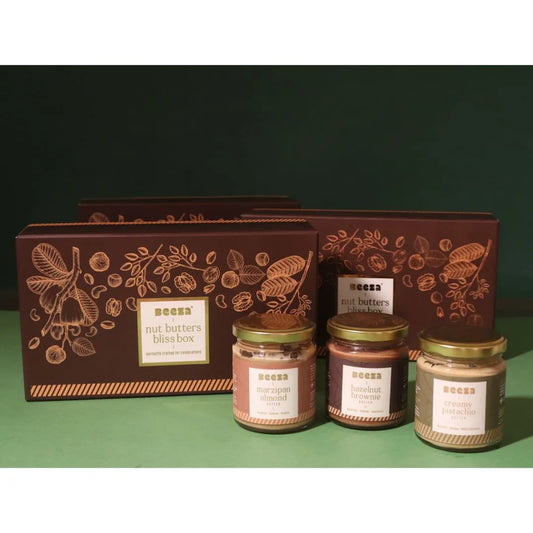
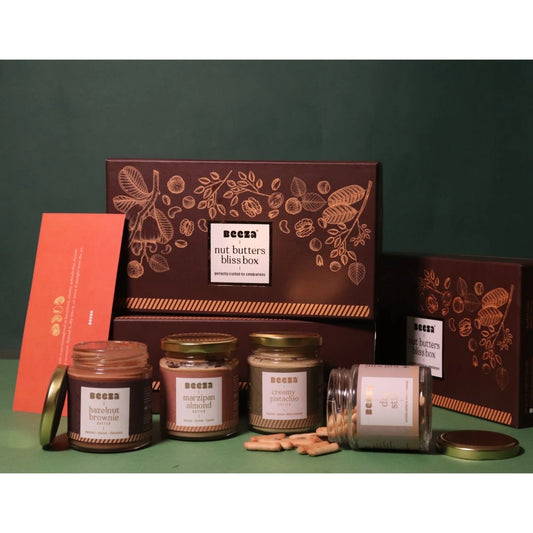
At Beeza, we believe that great taste and good health go hand in hand! This is why our nut butters are composed of basic and clean ingredients, no added sugars, no hydrogenated oils, and no unnecessary fillers. It does not matter if it is almond, pistachio, hazelnut, or one of our many peanut butters - we pack every jar full of flavor and real value. Our butters are full of heart-healthy fats, plant-based protein, and other natural nutrients. What better way to support your heart, than with a delicious nut butter with no compromise!
Conclusion: The Heart Wants What It Loves
Nut butters have come a long way from being just a peanut butter and jelly sandwich spread. Now, nut butters are not only a kitchen staple; they're also a nutritious, heart helper. Nut butters offer sources of good fats, fiber, nutrients, and can be used as a substitute for unhealthy options. In moderation and when chosen mindfully, nut butters can help with cholesterol support and heart health. And of course, they taste super delicious!
So whether you reach for almond, pistachio, hazelnut, or a clean peanut butter, just remember that these creamy jars of goodness are more than a treat to enjoy when chosen mindfully - they're the heart-smart fuel.
Because at the end of the day, the heart wants what it loves; and it loves nut butter - done right.